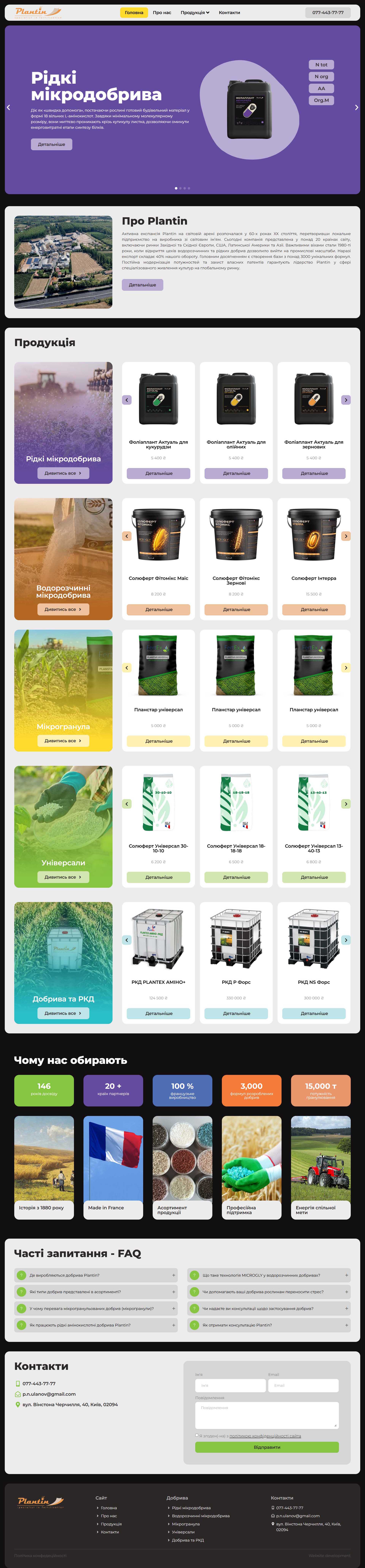
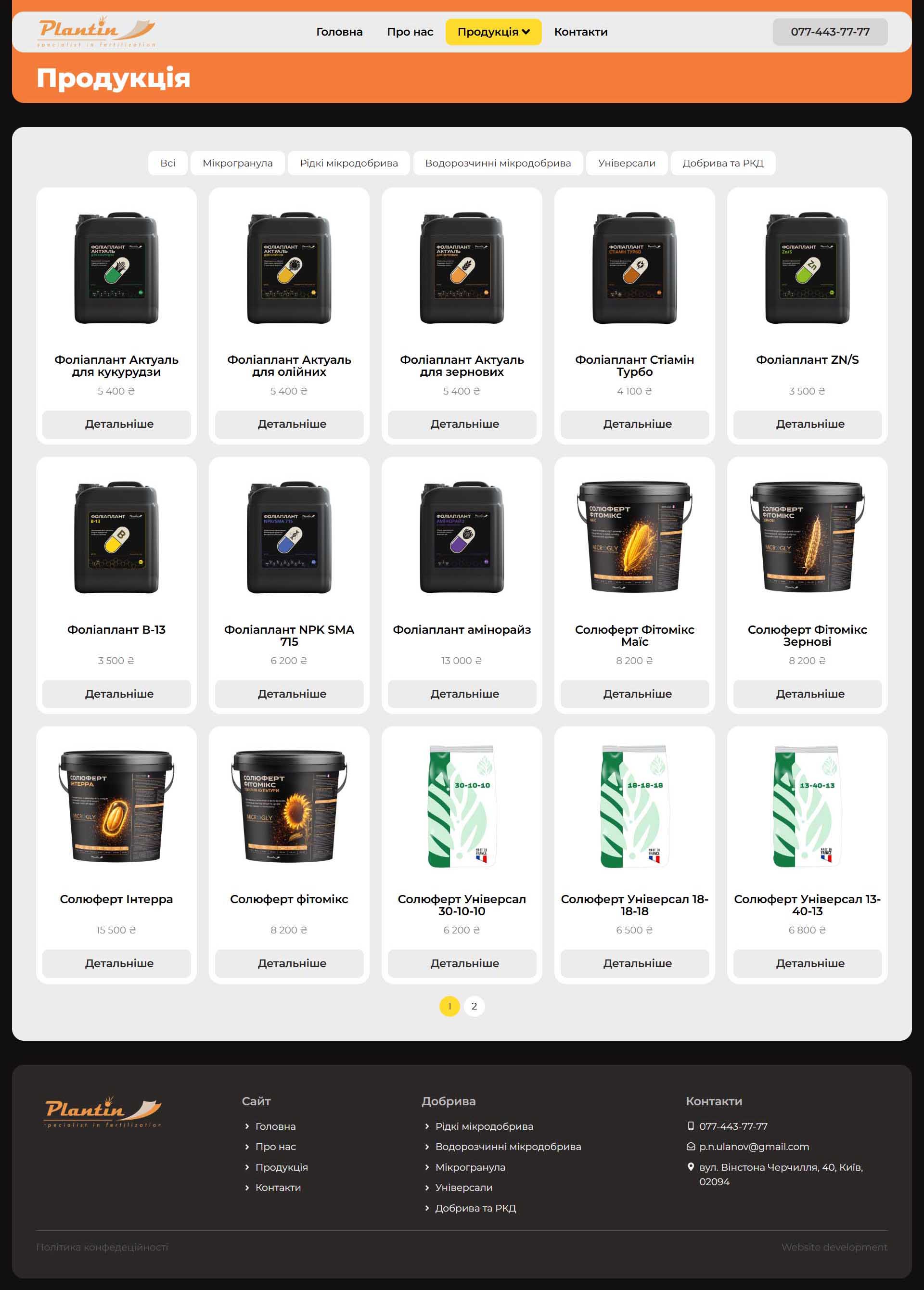
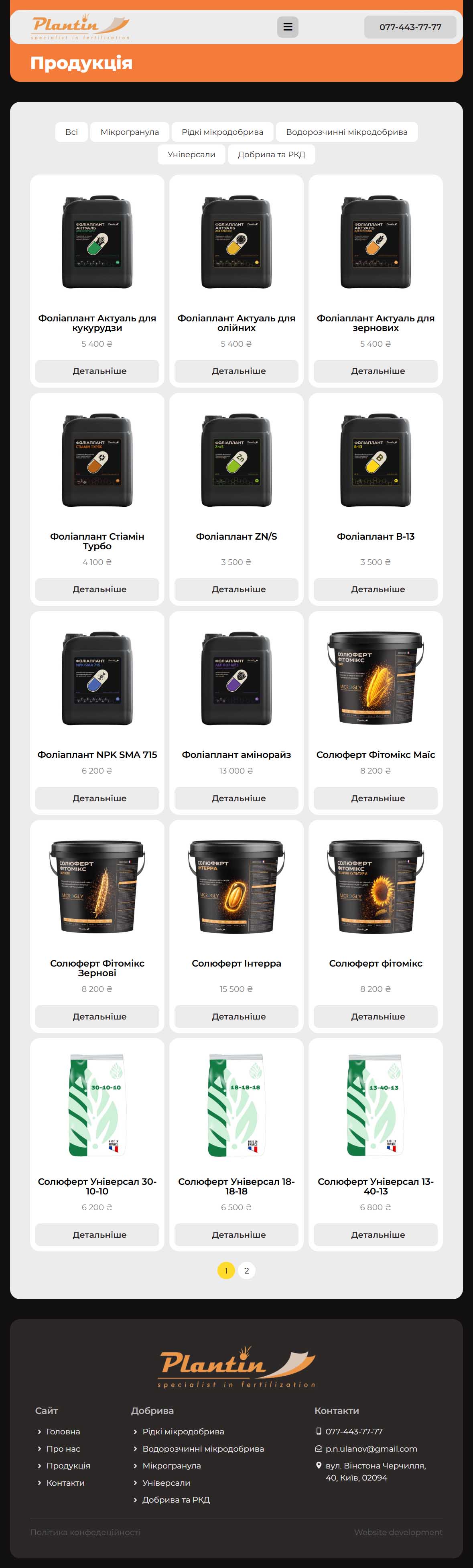
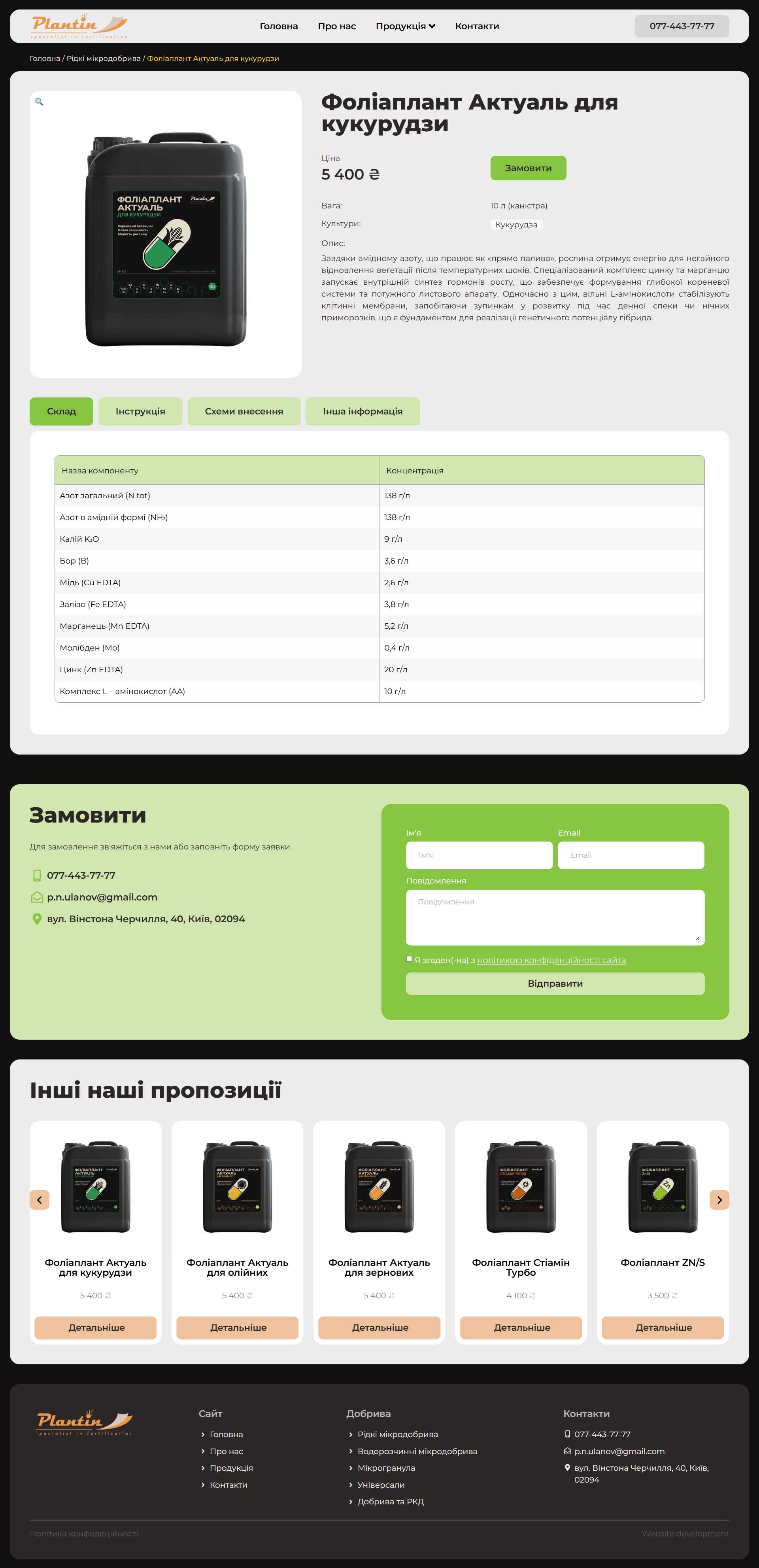
Online trading in 2026 is not simply about “having a website online.” It is a highly competitive environment where every second of page load delay costs the business money, and a confusing checkout cart kills conversion. The time when one could create an e-commerce website “on one’s knee” and wait for sales has gone forever. Today, buyers are spoiled by the speed of marketplaces and the convenience of applications. If your website works slowly or is not adapted for mobile phones, the client will leave for competitors in a matter of seconds.
The goal of this article is to understand what technical and marketing elements a successful e-commerce project consists of today, and why the right choice of platform and contractor at the start saves hundreds of thousands of rubles/hryvnias in the long term. We will not talk about design for the sake of design; we will talk about how to create an effective tool for your business.
Effective E-commerce Website Criteria in 2026 (What the Client and Google are Looking For)
In order for an online store to bring profit, it must meet the strict requirements of two main audiences: your clients and the Google search system.
1. Technical Speed and Core Web Vitals: Google officially uses Core Web Vitals metrics for ranking websites. This means that your website should load with lightning speed. If a user waits for a page load for longer than 2 seconds, the probability of rejection increases exponentially. We are aiming for the green zone of PageSpeed Insights as an obligatory standard for every developed project.
2. Mobile-First Approach as a Standard: More than 80% of all purchases on the Internet are now made from smartphones. Development should start with the mobile version, and not “be tweaked” after the desktop. This is not just adaptive layout, this is convenient UX: large buttons, intuitive finger navigation, readable fonts on small screens, and rapid check-out without the need to fill in dozens of fields.
3. Security and Data Protection: Users trust you with their money and personal data. An obligatory HTTPS certificate, protection against brute-force attacks, and protected integration with payment gateways are the foundation of trust and a requirement of payment systems.
The Architecture of a Selling Online Store: From Catalog to Cart
The external look of a website is important, but sales are made by its architecture — how the user interacts with the content.
Thought-Out Structure of Categories: Navigation is the heart of e-commerce. The structure must be logical and semantically correct. Google must easily understand the embedding of products, and the user must find the desired section in 2–3 clicks. We project a logical tree of categories, which ideally fits the requirements of SEO optimization.
Smart Filtering and Search: A bad filter is a guarantee that the client will not find the product and will leave. The e-commerce trend in 2026 has become AJAX filtering without reloading pages and smart search with prompts “on the fly” (autocomplete). The user must have the opportunity to narrow the choice down to several products by dozens of parameters instantly.
The Path to Purchase (User Flow) Without Friction: Every step from “Add to Cart” to “Place an Order” is a point of losing a client. We minimize the number of steps in the cart. The obligatory “Buy in 1 click” function, integration of fast forms, and popular messengers (Telegram, Viber, WhatsApp) allow catching “hot” leads on the fly.
Choice of Platform: Why WordPress + WooCommerce is an Ideal Balance for Business in 2026
There are many CMSs on the market, but it is precisely the combination of WordPress and WooCommerce that remains the golden standard for small and medium-sized businesses. And here is why.
Breaking Myths
There is a stereotype that WooCommerce does not hold the load. This is a myth. On quality layout (for example, using Elementor/custom) and optimized hosting, a WooCommerce store works quickly, stably, and without problems copes with thousands of products and hundreds of simultaneous users.
Comparison with Alternatives
Website Builders (Tilda/Shopify): At first glance, they seem simple and cheap. But in the long-term perspective, this is a dependence. The subscription fee grows, you are limited in SEO possibilities, and you do not own the website code. If the website builder decides to raise prices or change the rules, you can do nothing.
Complex CMSs/Frameworks (Bitrix/Laravel): Development and support on such platforms costs fabulous money. Any minor fix requires the attraction of an expensive programmer. This is a “cannon firing on sparrows” for the majority of online stores.
The Main Plus of WordPress
WordPress + WooCommerce gives you full independence. You are the only owner of your website. The system is flexible, scalable, and does not require a subscription fee for the CMS itself. A huge number of ready-made plugins allow adding functionality cheaply, which on other platforms would cost thousands. And, what is most important, WordPress possesses a magnificent built-in SEO functionality.
Technical SEO Foundation: How to Force the Website to Bring Free Traffic from Google
The development of an online store without considering SEO is a waste of money. You risk launching a beautiful website, which no one will know about. I am convinced that basic SEO optimization needs to be laid down not after launch, but at the stage of code projection.
In each e-commerce project, which I develop, “out of the box” it is included:
Clean Code: Without visual garbage, which slows down the website and hinders Google robots.
Correct Hierarchy of Headings: The true use of H1–H3 tags on each page.
ЧПУ (Friendly URLs): Readable page addresses, convenient for both people and Google.
Automatic Sitemap Generation: An current site map for rapid indexing.
Product Micro-Markup (Schema.org): So that Google shows beautiful snippets with price and rating right in the search results.
Website Management After Launch: How Simple Is It?
A business should sell, and not fight with code. Precisely therefore, I use the link of WordPress + Elementor. This gives you an intuitively clear admin panel. The owner of the website or a manager will be able independently to:
Add and edit products and prices.
Manage orders and clients.
Change banners and text on pages.
Maintain a blog to attract traffic.
You will not need to pay developers for each minor fix; you will be able to manage your business independently.